Project
Flame and Ash
Year
2026
This project began with a question: how can real-time biometric and behavioural data inform neuroarchitectural design to create emotionally adaptive interior environments?
Rather than treating interiors as static backdrops, the research explores how architecture can actively read and respond to the human body, drawing on Merleau-Ponty’s theory of embodied perception and Philippe Rahm’s climatic architecture to reframe light, temperature and air as design materials in their own right.
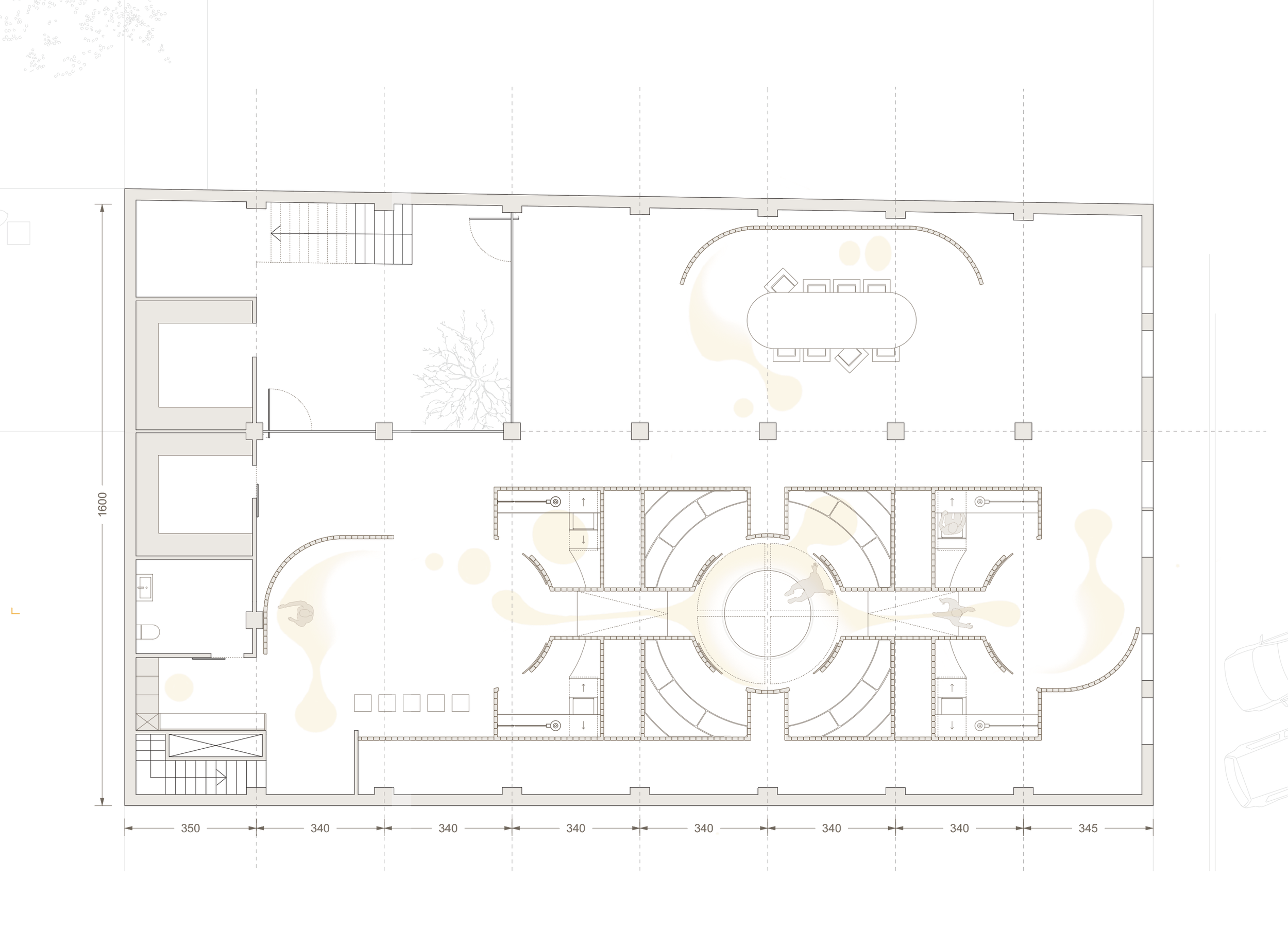
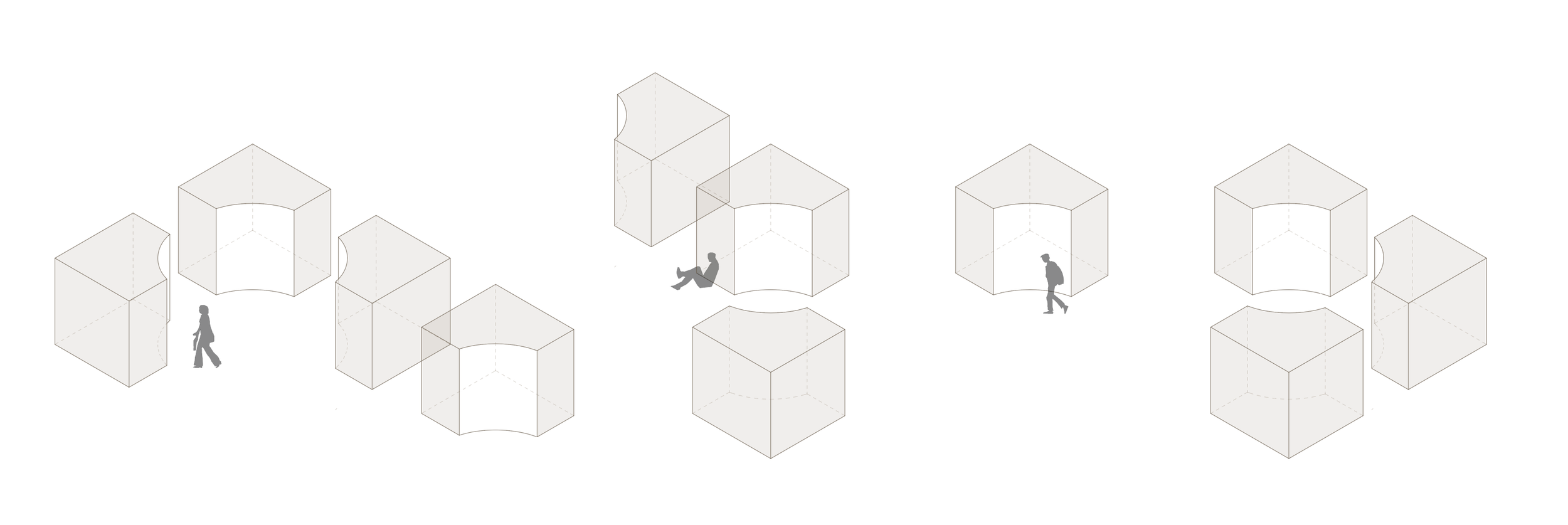
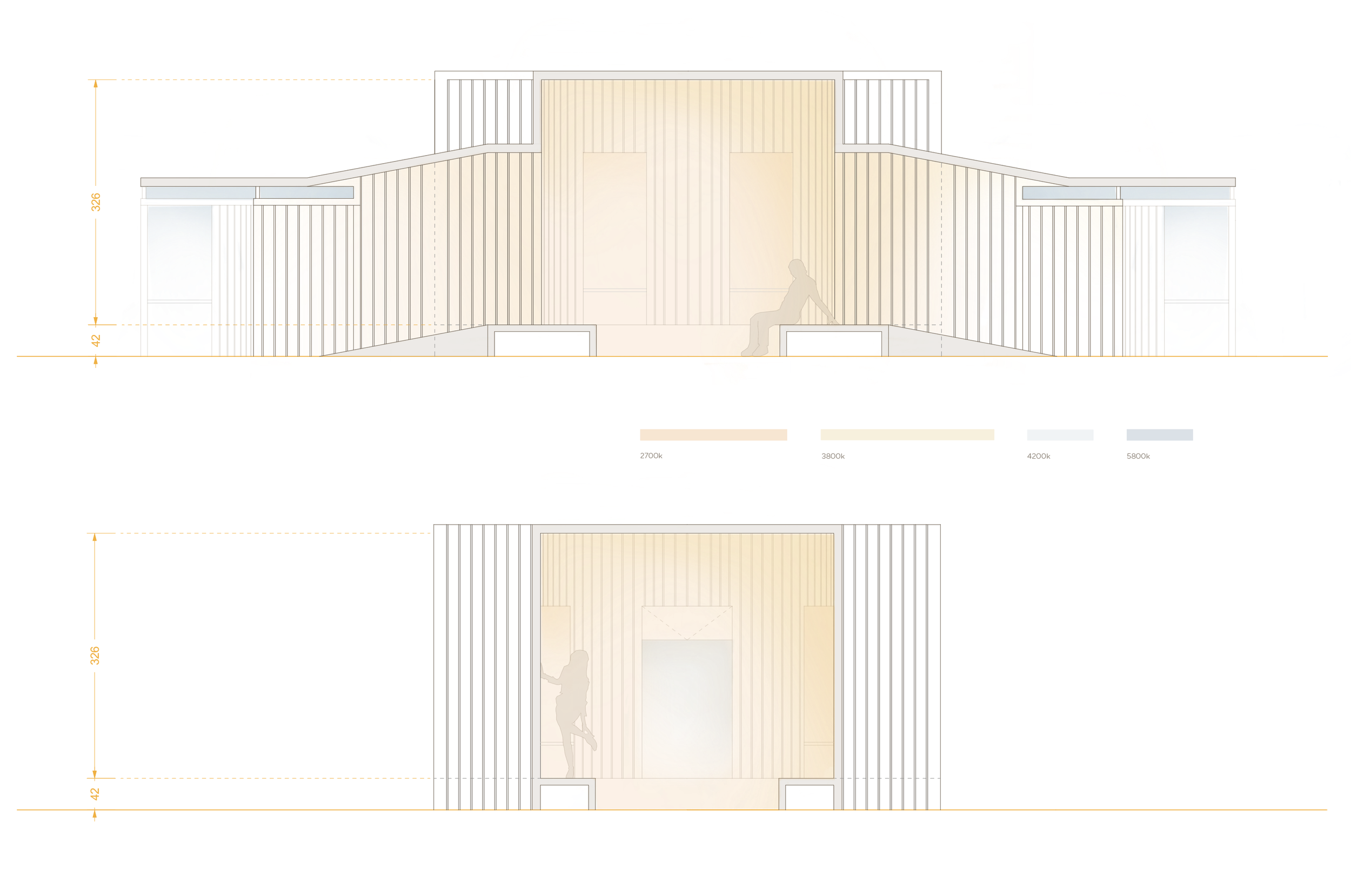
That research led to Flame and Ash, two biometrically responsive cabins. Both read the same data, skeletal body tracking and heart rate variability, but interpret it toward opposite outcomes: Flame sustains focus and cognitive sharpness, while Ash guides the nervous system toward rest and recovery.
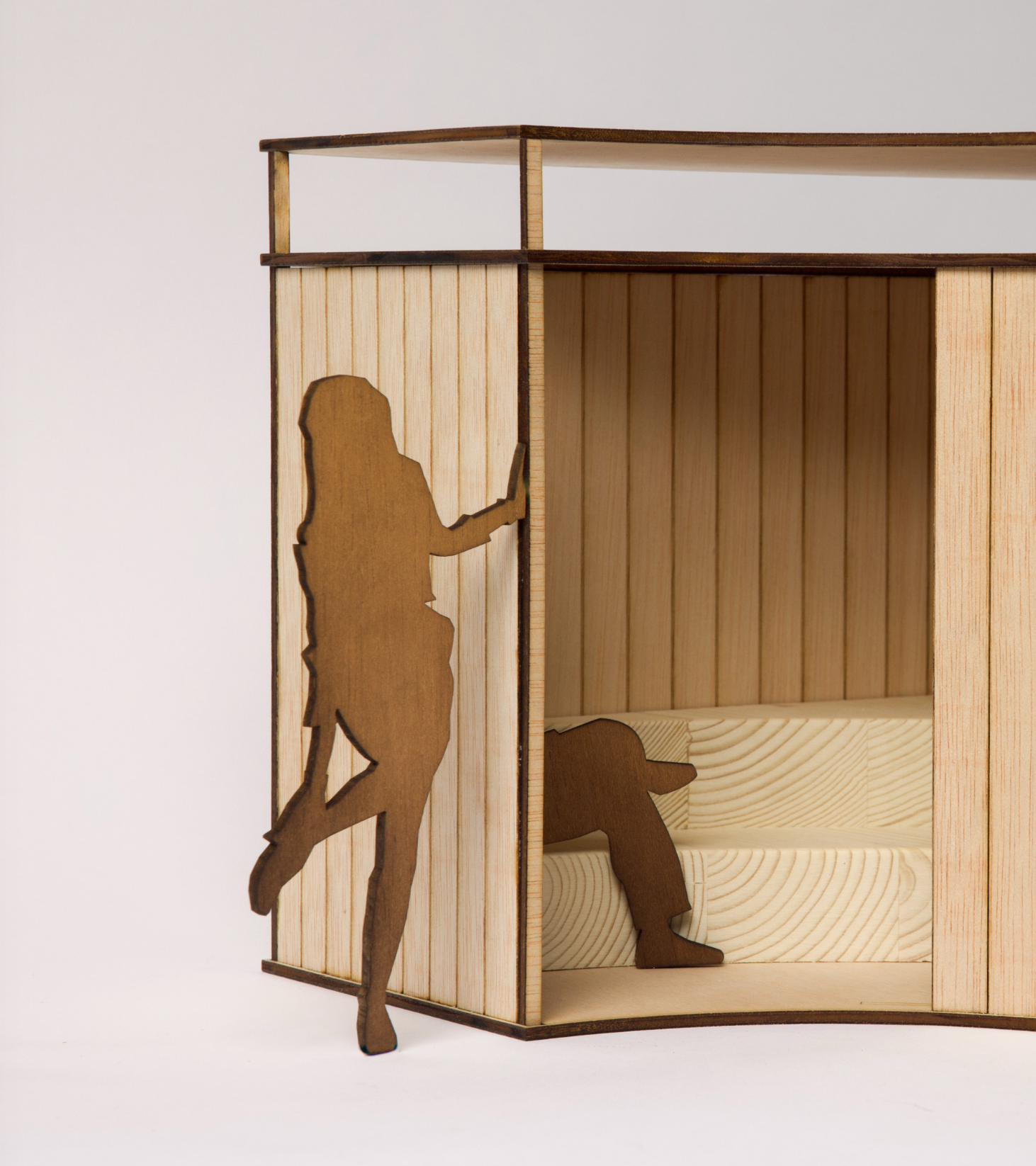
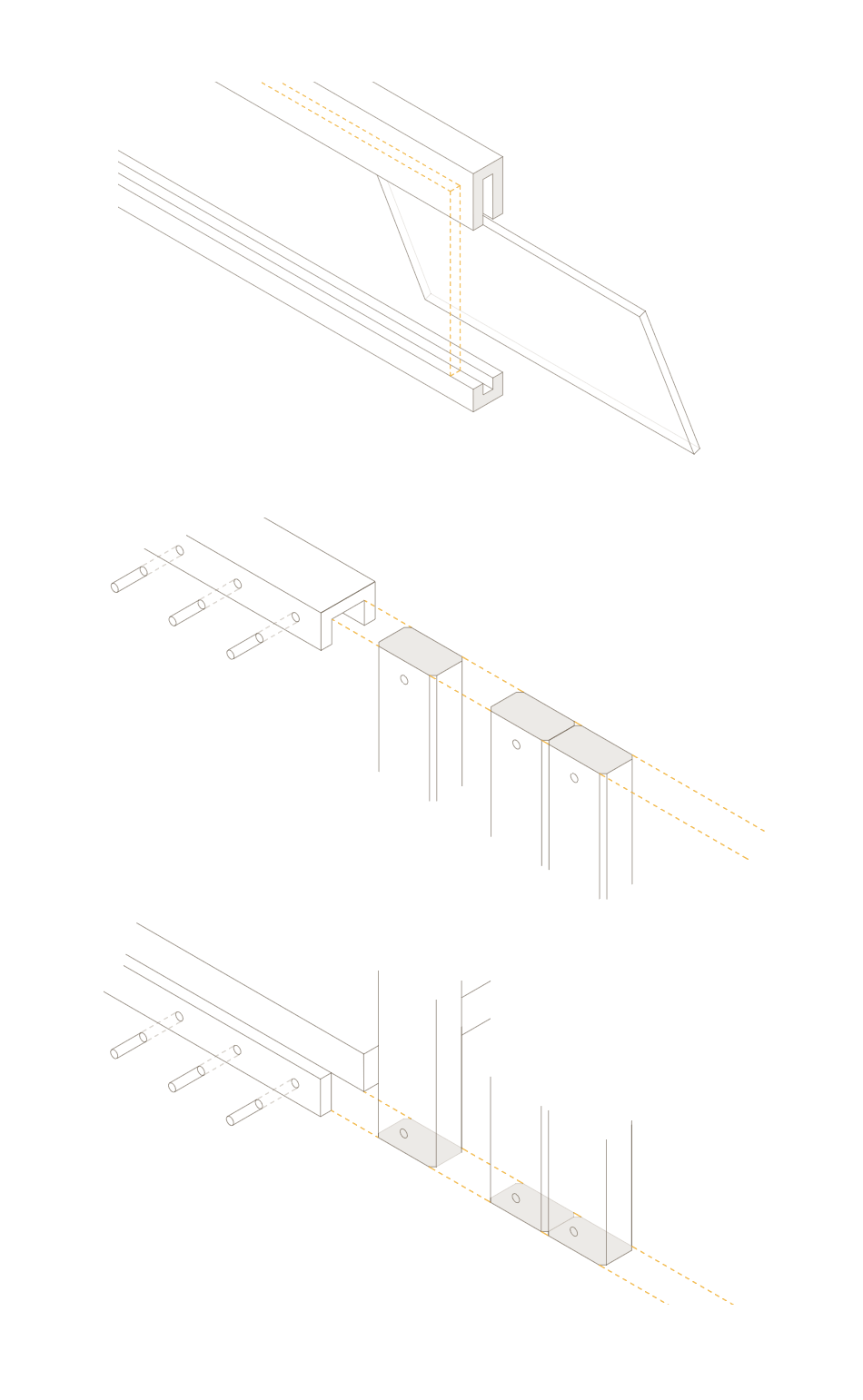
Construction is built around simplicity and circularity. Timber frames and panels are joined using wooden dowels and joinery, with no metal fixers or screws, so the structure holds itself together through the logic of its own geometry. This makes the system easy to assemble and disassemble, and customisable to the host environment it’s placed in.
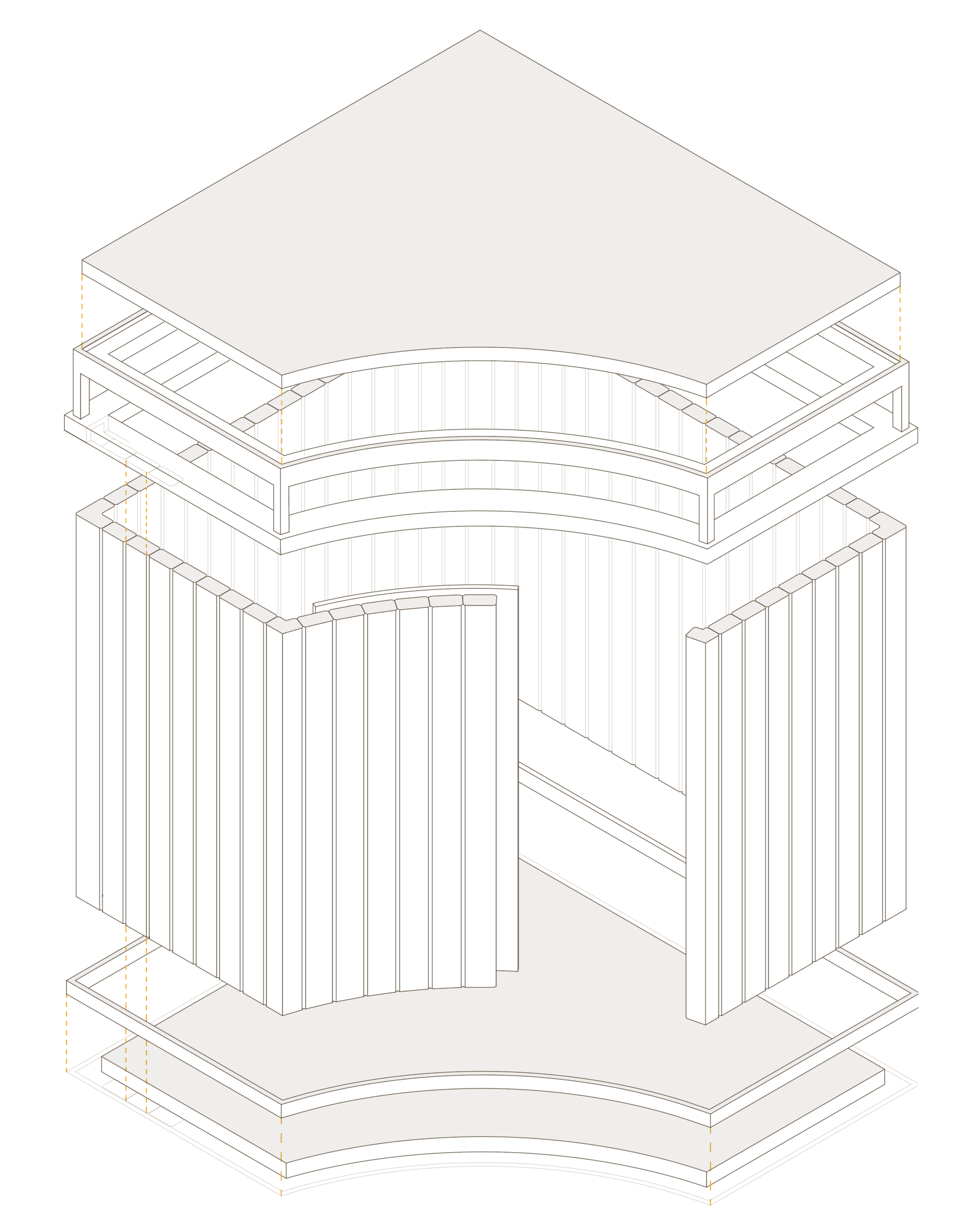
Depth cameras and remote photoplethysmography (rPPG) track posture and HRV as they shift over a session. Among other things, this data drives two of the cabin’s most noticeable features: a postural shift system, and LED lighting that shifts across a 2700K–6500K range to either sharpen alertness or signal the body to down regulate.